



Large DN1050 Ceramic Hose Bends for the KCGM Growth Project
KCGM logo

Project details
| Client/site | KCGM, supplied through Primero |
|---|---|
| Project | KCGM Growth Project, Kalgoorlie, Western Australia |
| Application | DN1050 mill pump discharge / cyclone feedline, grinding plant |
| Commodity | Gold |
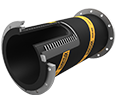
| Product | Slurryflex CLX XC-Series pre-formed ceramic hose bends |
| Status | Installed, with commissioning pending at the time of the supplied brief |
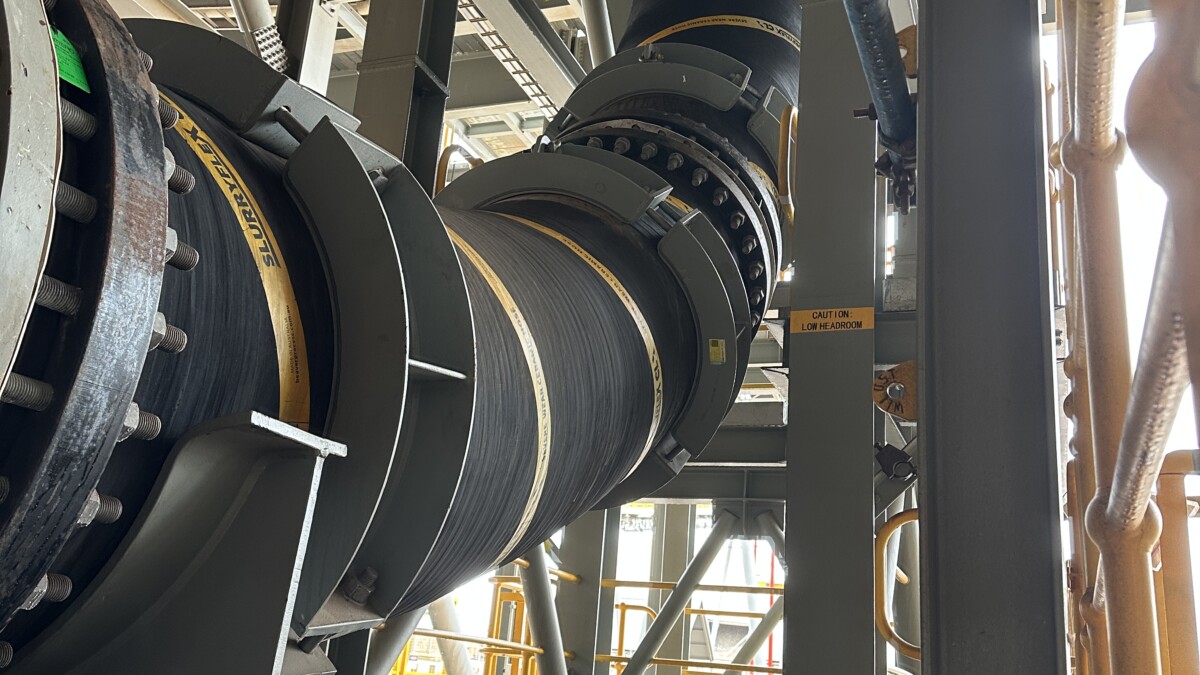
For the KCGM Growth Project in Kalgoorlie, Primero needed a large-diameter bend package for the mill pump discharge / cyclone feedline in a new grinding plant. The line needed to manage severe slurry wear from day one, with enough confidence to support reliable operation once the plant moved into commissioning.

Designing for a high-wear mill pump discharge / cyclone feedline
The KCGM Growth Project is a major upgrade to the gold processing circuit at the Fimiston Processing Plant. The new plant includes grinding and cyclone classification, where slurry bends can become some of the highest-wearing items in the line.
For this duty, KCGM and Primero wanted to start with a bend package that could support planned maintenance intervals and reduce the risk of unplanned shutdowns once the plant was operating. Because this was a new plant, there was no immediate failure to fix. The goal was to make the right design choice before the line went into service.
The scale made the application especially important. A DN1050 pre-formed ceramic hose bend is not a standard shelf item. It needs controlled bend geometry, specialist manufacturing capability and a wear lining suited to severe slurry service.
Key design point
The 88 degree vertical cyclone feed bend was supplied as two DN1050 44 degree pre-formed bends, reducing individual component weight and making transport, handling and installation more practical than a single large 88 degree assembly.

Why we recommended Slurryflex CLX XC-Series
Beaver’s relationship with Primero and KCGM meant we were brought into the discussion as they looked for a bend design suited to severe service. A traditional rubber-lined steel bend was not the preferred choice for this cyclone feedline duty, where the change in direction can concentrate wear.
We supplied Slurryflex CLX XC-Series pre-formed ceramic hose bends. The XC-Series is built in a custom-specified shape, which lets the bend match the required angle instead of forcing the piping design around a standard component.
The CLX liner combines ceramic tiles and rubber. The ceramic handles severe wet sliding abrasion and erosion, while the rubber helps absorb impact, noise and vibration. This makes it well suited to aggressive slurry applications such as cyclone feedlines, mill discharge duties and other high-wear process areas.
- Large DN1050 diameter hose bends for the new cyclone feedline.
- Two 44 degree pre-formed bends installed to form an 88 degree vertical bend.
- CLX ceramic wear lining for severe slurry duty.
- Wear indicators included to support condition monitoring once the line is operating.
- Australian manufactured hose bends from Beaver’s specialist hose facility.

Technical snapshot
| Technical item | Project detail |
|---|---|
| Configured assembly | Two DN1050 44 degree pre-formed bends forming an 88 degree vertical cyclone feed bend |
| Custom bend angle | 44.08 degrees |
| Custom bend radius | 5250mm centreline radius (CLR) |
| Custom hose bend ID | 998mm, to match the adjoining ceramic-lined steel spools |
| Design pressure rating | 1400kPa |
| Wear monitoring | Wear indicators included for condition monitoring |
| Installation support | Custom engineered support frame structure designed by Primero |

Built for the project, not pulled from a shelf
Large-bore slurry bends can be difficult to source, particularly where the duty calls for a pre-formed ceramic-lined hose rather than a standard rubber-lined steel bend. Not every hose manufacturer is set up for this scale of work. The size, bend angle, liner system, end connections and handling requirements all need to be considered together.
For KCGM, the two-bend assembly gave the project team a practical way to deliver the required 88 degree vertical change in direction while managing the realities of manufacturing, transport and installation. The custom engineered support frame structure, was also an important part of the final arrangement because it gave the large hose bend assembly the right installation context.
That level of detail matters for design engineers. It means the bend geometry, support strategy, component handling and adjoining pipework are considered before the package reaches site.

Wear indicators for planned condition checks
The bends were supplied with wear indicators to support condition monitoring once the line is operating. These indicators give the site team a practical external check point for liner wear, helping them plan inspections and replacement before wear becomes a leak or an unplanned shutdown risk.
This is especially useful on cyclone feedline bends, where wear can be localised and service conditions are aggressive. It gives the site a better way to build a wear history for the first installation and make future maintenance decisions with more confidence.

Installed and ready for commissioning
The bends have been installed, with plant commissioning scheduled at the time of the supplied project brief. Because the cyclone feedline had not yet operated, we have not made any measured wear-life claims in this case study.
The value at this stage is in the design decision. The line starts with a large-diameter bend package matched to severe wear from day one, with wear indicators to help the site monitor condition over time.
What this project shows
For high-wear cyclone feedlines, the best time to improve reliability is during design. Selecting the right bend type early can help avoid costly changes once the plant is built and running.
Related projects
How Roy Hill Solved Costly Unplanned Piping Maintenance for Good
WA Lithium Mine get 12x Longer Wear Life in Slurry Control Valves
8x Longer Lifespan for Cyclone Overflow Piping at FMG Solomon Mine
We're here to help
Got questions? Need advice? Tap into our experience and get specialist advice from our friendly team.


Slurry piping audits
Solve slurry piping maintenance problems for good. No more leaking pipes, no more unplanned shutdowns.