



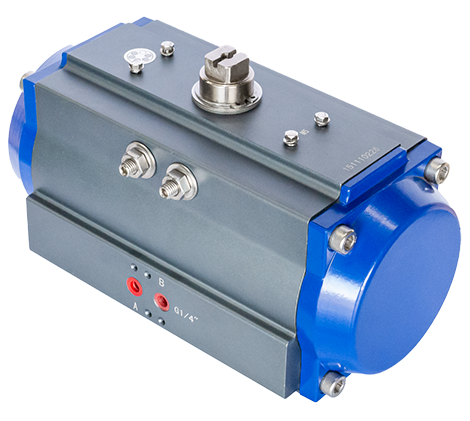
Valve Actuators Products
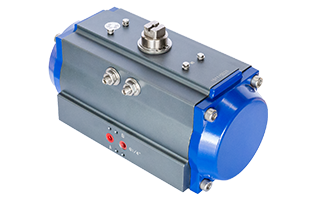


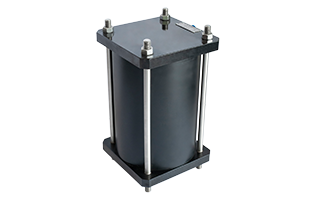

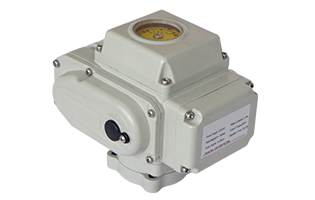
How we help you choose the right valves:

1. Tell us what you need
Talk to our experts about your application, which valves and controls you need, and any repair or maintenance concerns.
2. Choose the right solution
We’ll do all the analysis, discuss the options with you, and make a recommendation—the valves we’d choose in your shoes.

3. Get the job done
Get the right valves for the job, fitted out, tested, and ready to install. We’ve got your back with ongoing repairs and maintenance.
What Is Valve Automation in Mining?
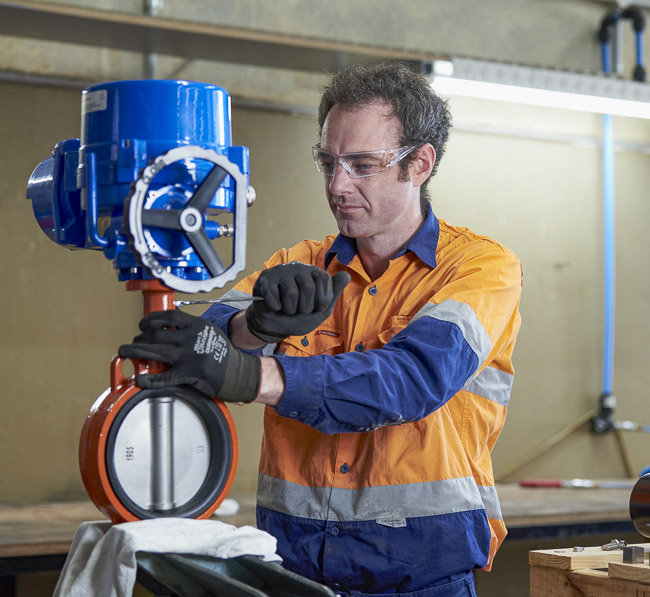
Valve automation replaces manual valve operation with pneumatic, electric, or hydraulic actuators controlled remotely or automatically via a DCS or PLC. In mining slurry systems, automation reduces the need for personnel to access live process areas, improving safety, enabling faster response to process changes, and supporting unattended operation of high-cycle lines.
Common applications for valve automation in mining:
• Cyclone feed and overflow control: high cycle rates on abrasive slurry lines
• Tailings discharge isolation: remote actuation for safety and process control
• Reagent dosing: precise flow control on flotation and leaching circuits
• Pump station bypass and isolation: automated response to pump trips
• Remote operation from a surface control room for underground mine dewatering
Actuators. Fitted. Tested. Ready to go.
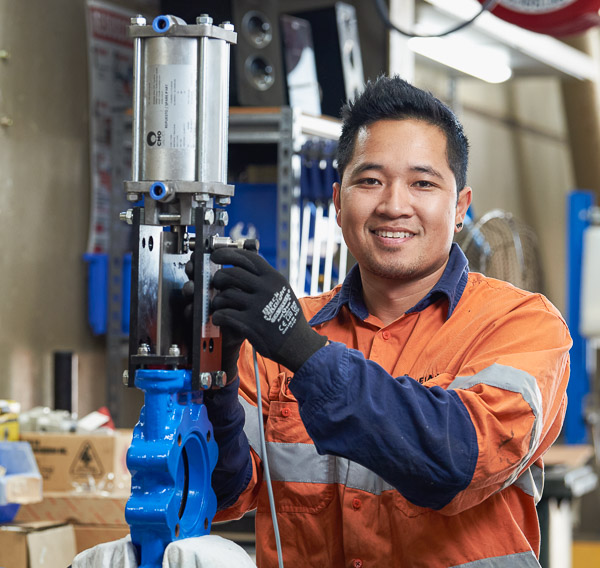
We have the full range of actuators for you to choose from. And our valve automation experts can fit the actuators to your valves in our Perth workshop. No matter how large your project is, we can supply and build it.
The complete valve automation package will be fitted out, tested, and tagged with care. And everything will arrive at your site connected up and ready to install. No install hassles, just quality workmanship you can rely on.
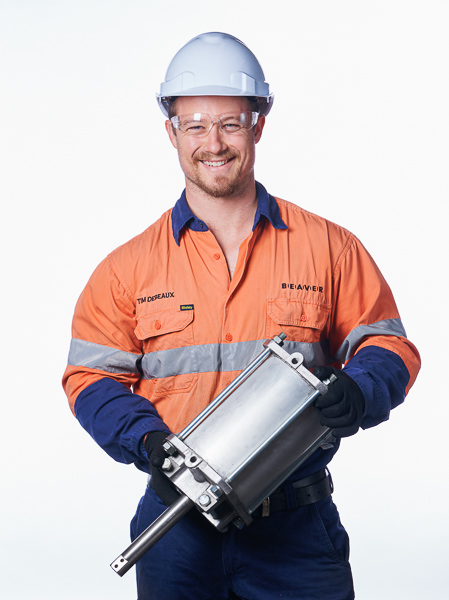
Find the most reliable solution
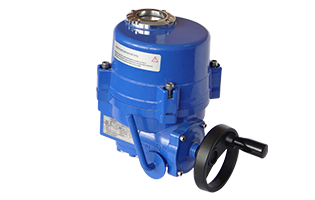
Select the right actuator for the job—we'll help you consider everything. If your control system is electric, pneumatic, or hydraulic. Whether you need local or remote controls via PLC. The right failsafe system—fail open, closed, last, or indeterminate.
There's a lot to think about. Whatever your valve application, we help you find the safest and most reliable actuation solution from our range.
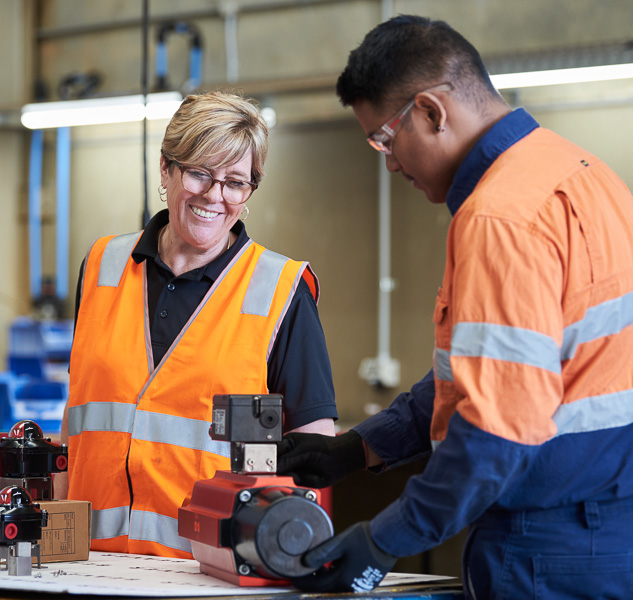
How to select the right actuator
You have lots of variables to work through to properly actuate a valve. What's the power source, and do you need a quarter turn, linear, or rotary actuator? How will your actuator be mounted to the valve, and are there space limitations?
You need to decide where to mount instrumentation. Safety lockout mechanisms. Hazardous zone requirements. Material and coating specs. Talk to us about your project and get practical advice based on our years of experience in valve actuation.
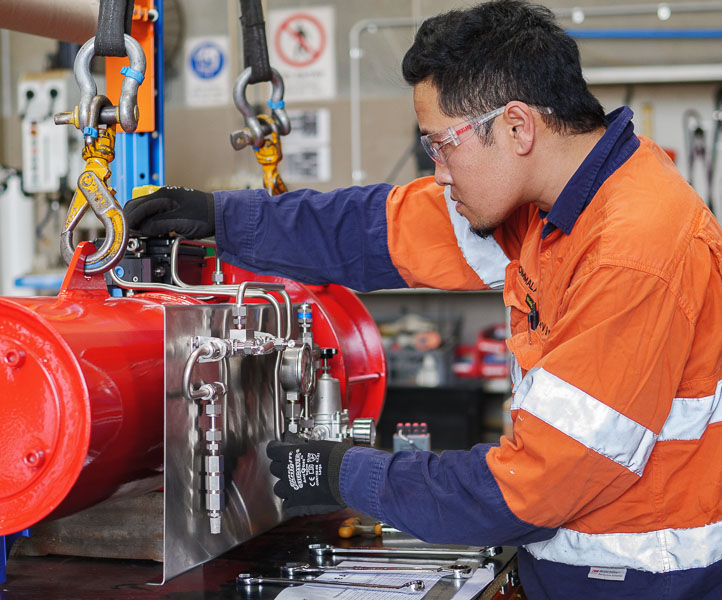
Make complex automation easy
If you're designing a complex flow control system, we can help with valve control panels. Get all of your valves, actuators, pneumatic, hydraulic, and electric systems neatly hooked up to one control panel. We work with you to design and build the whole thing. Finished, tested, and ready for easy installation on your site.
Frequently Asked Questions
What types of actuators are used in mining valve automation?
Can BPE supply valves with actuators fitted and tested?
Yes. BPE’s Perth workshop fits actuators to valves, adds solenoids and limit switches, and pressure-tests the complete assembly before delivery. This factory-assembled approach eliminates on-site integration risk and reduces commissioning time, which is particularly valuable for shutdown windows where available hours are tight and the cost of on-site rework is high.
What is the difference between pneumatic and electric valve actuators?
Pneumatic actuators are faster, simpler, and better suited to hazardous or wet areas. They use compressed air and fail safely when supply drops. Electric actuators suit sites without reliable compressed air, or where precise intermediate positioning is needed. BPE stocks both types and can advise on the right choice for each application.
You might also be interested in
Tropicana Gold Mine – 2688 Valve Package Assembled and Delivered
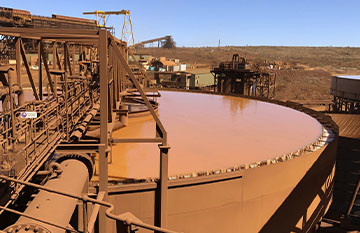
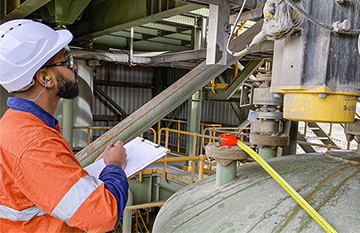
Cloudbreak Iron Ore Mine – Valve Spec Review for Dewatering Program
We're here to help
Got questions? Need advice? Tap into our experience and get specialist valve advice from our friendly team.
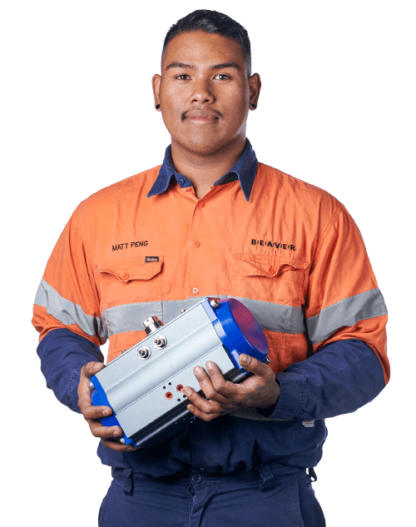
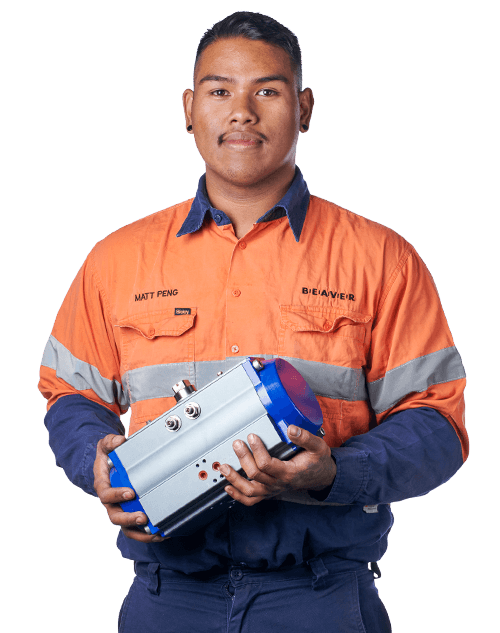
Valve automation & repairs
Our valve workshop can take care of the difficult stuff for you. Get your valves automated, fitted, tested, and ready to go.