



Featured articles
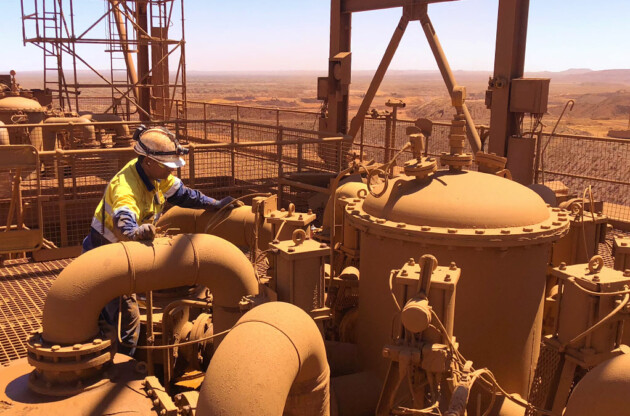
Why Your Hydrocyclone Piping is Failing and How to Fix It
Improving uptime in your cyclone piping doesn’t have to be complicated. Choose the right piping and it will pay off with improved reliability and uptime.
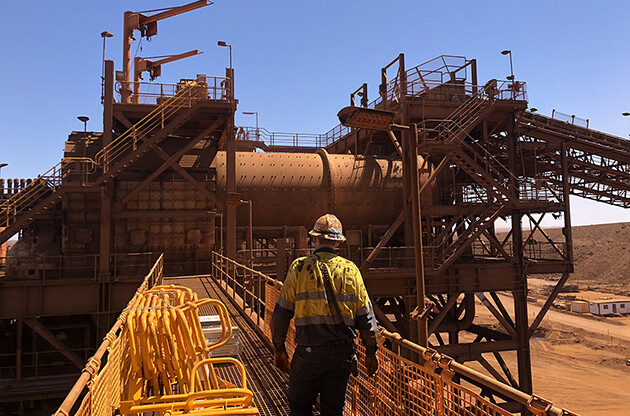
How 5 Top Iron Ore Plants Are Avoiding Downtime with Better Slurry Piping
Learn about smarter piping maintenance strategies from these iron site sites. It'll help make your plant more efficient - and profitable.
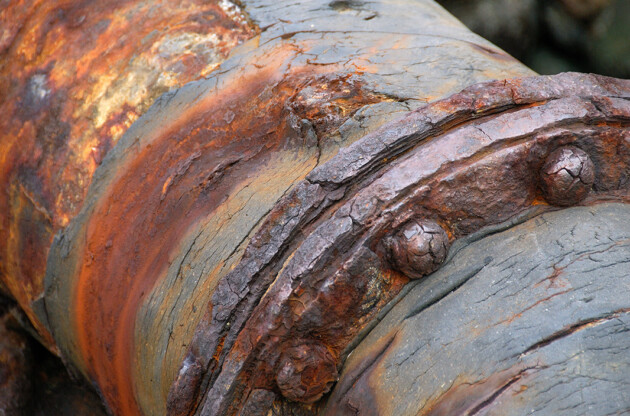
The 7 Deadly Sins of Slurry Pipeline Corrosion and How to Overcome Them
Don’t let corrosion become your pipeline’s downfall. Understanding the difference types of corrosion – and what causes it – will help you avoid creating corrosion hotspots.
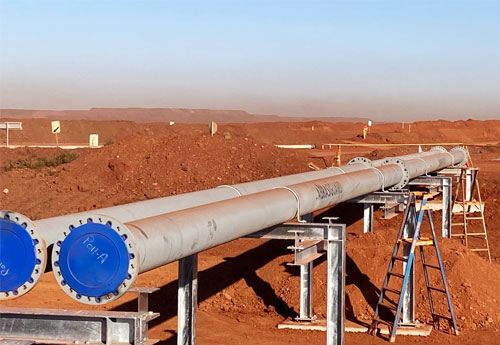
Pipeline Design: 12m vs 18m spools. Which is better?
In this article, we look at the difference 12m vs 18m spools make at every stage of the project, from a more efficient design and installation, right through to maintenance.
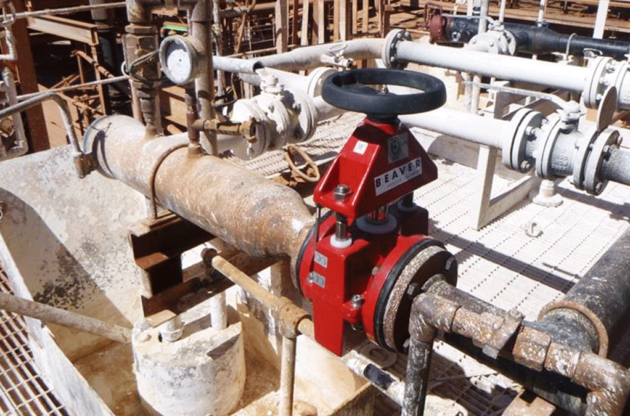
Pinch Valves for Abrasive Slurry: How They Work and When to Use Them
How pinch valves work in abrasive slurry, when to specify one, and how Defender pinch valves deliver longer service life.
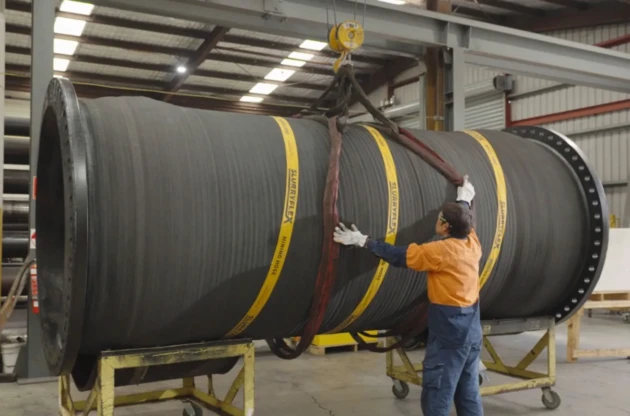
Mining Hose for Slurry Applications: The Complete Selection Guide
A complete selection guide to mining hose for slurry service: types, applications, failure modes, and lifecycle planning.
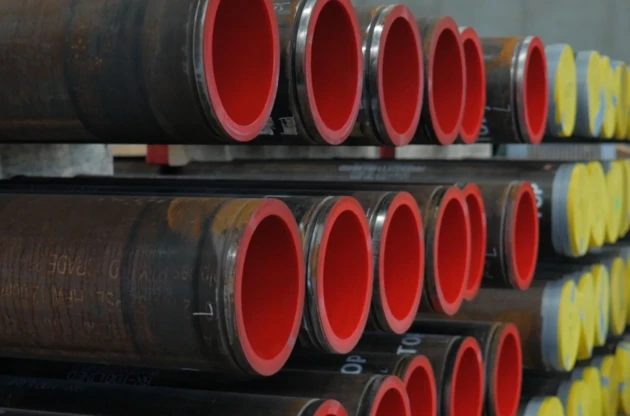
Rubber Lined Pipe vs Polyurethane, Ceramic and UHMWPE: A Slurry Liner Comparison Guide
Side-by-side comparison of rubber, polyurethane, ceramic and UHMWPE liners for slurry service, with selection guidance.
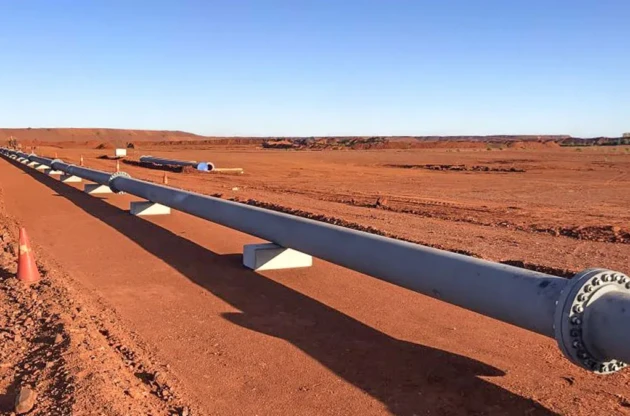
Slurry Pipeline Design: How Slurry Characteristics Drive Liner Selection
How particle size, velocity and solids concentration drive liner selection in slurry pipeline design.
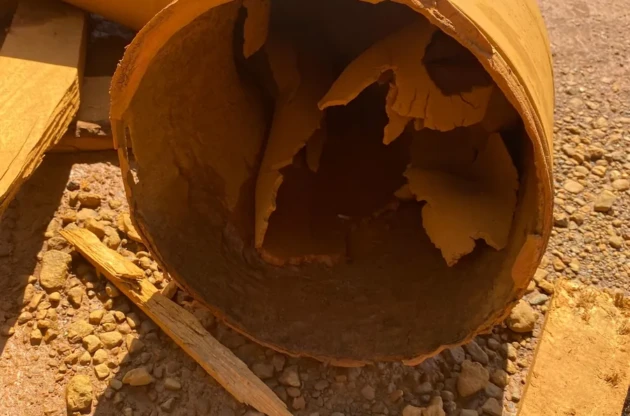
Slurry Wear Testing: Using Test Data to Specify the Right Materials
How slurry wear testing works, what the data predicts, and how to use it to specify the right liner or hose with confidence.
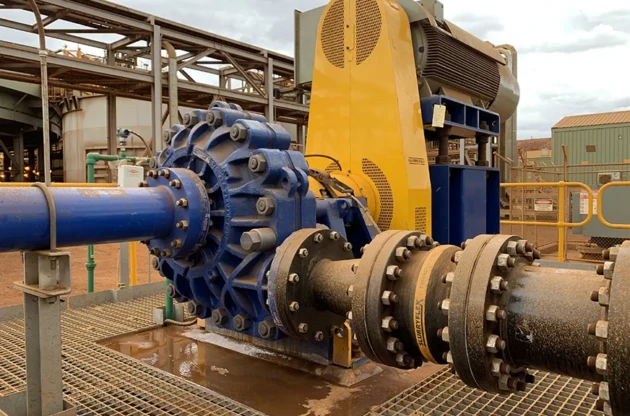
4 Slurry Pump Piping Issues and How to Avoid Them
Improving reliability in your pump piping doesn’t have to be complicated. If you follow these simple steps, you won’t have to worry about your pump piping reliability again.
4 Steps to Build a Business Case to Fix Your Slurry Piping
We know that as a reliability engineer, you want to make an impact by finding smart upgrades that improve your plant. Follow these four steps, and you’ll build a persuasive business case that management can’t say no to.
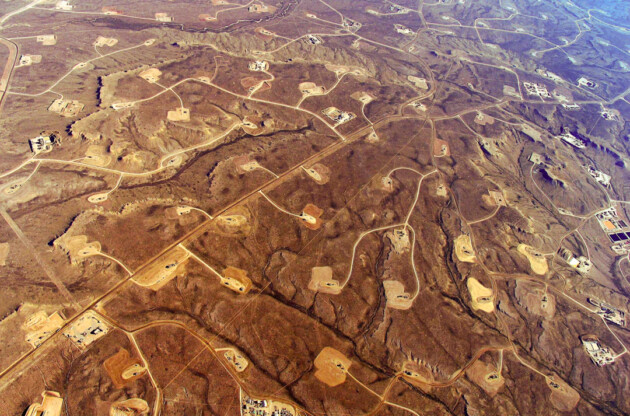
Frac Sand Pipelines: Why isn’t the industry considering them?
We know that truck fleets are expensive to operate and have severe safety and environmental downsides. So, why isn’t the frac sand industry taking pipelines seriously as a transport method?

4 Reasons Why Your New Plant Design Needs Flexibility
Tight schedules, limited budgets, and complex spatial requirements are commonplace in plant design. Learn how flexible slurry piping can help deliver on-time, on-budget, and fit-for-purpose process plants.
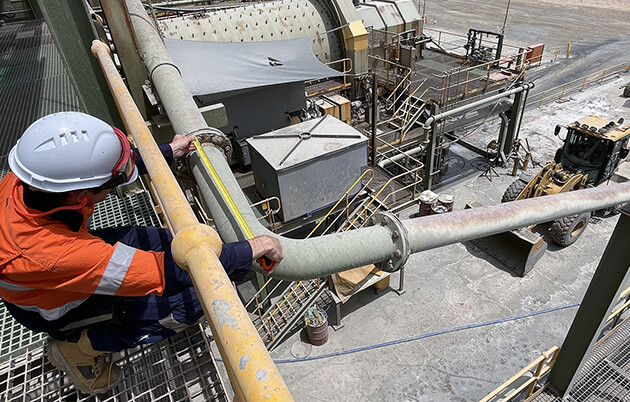
5 Lessons Learned in Gold Processing Plant Piping
Keeping your gold process plant up and running is a constant challenge. The good news is it doesn’t have to be that way. Learn how five gold mines fixed common piping problems in their process plants.
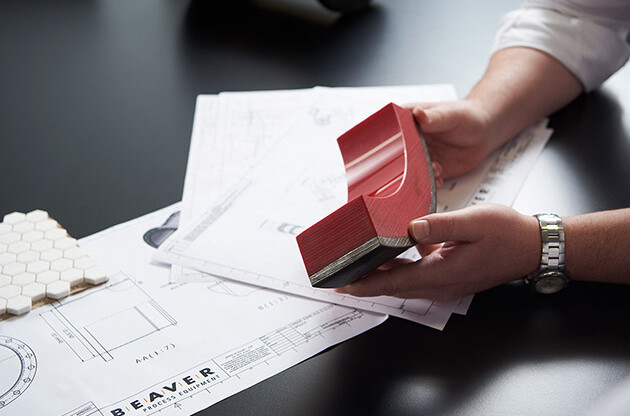
Reduce Your Pipeline Energy Costs with This One Change
Selecting a liner with a low surface friction will offset energy costs, extend wear life and optimise performance. We show you how it can deliver improved cost, performance, safety and longevity of a pipeline.
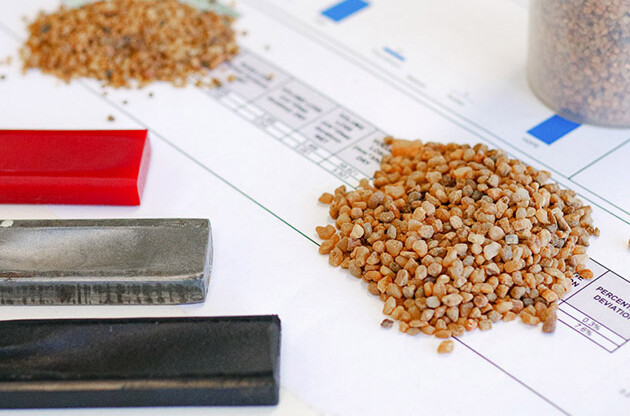
Unlined Steel Pipelines Cost You More in the Long Run. Here’s Why
A new pipeline is a significant capital investment, so it needs to last the distance. We show you that older piping technology could be costing you more in the long run.

Why Your Ceramic Lined Steel Piping is Failing and How to Fix it
Maintenance teams often move to ceramic lined steel to increase the wear life. But often it won't give the performance increase they wanted. We look at why that is and how engineers have solved the problem.
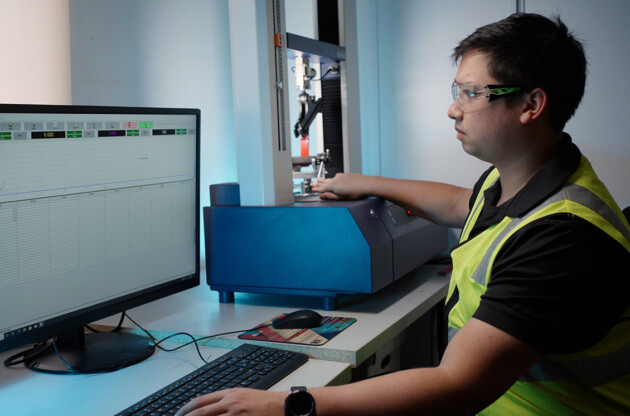
CSIRO: Understanding Slurry is Key to Good Tailings Pipeline Design
You'll make better design decisions if you understand how your slurry moves. We talk to a leading CSIRO research engineer on slurry rheology and how this impacts pipeline design.
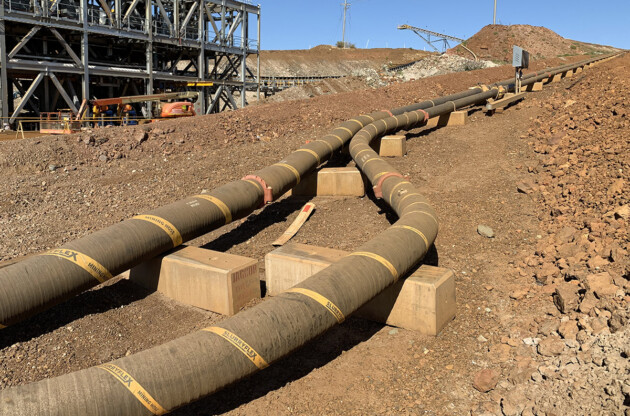
You Need Flexible Piping in Your Pipeline. Here’s Why…
There’s a common misconception that the best pipelines are built entirely from rigid steel piping. We'll show you why you need to add flexibility to avoid early pipeline failure.
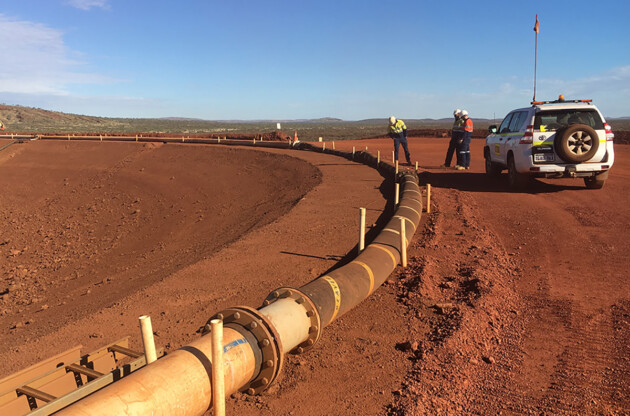
Flange, Welded, or Coupling: Which Jointing Method is Best for Slurry Pipelines?
Selecting the right jointing method is a crucial step in your pipeline design. Discover which is the best option for your next pipeline project.
3 Ways to Reduce Wear in a New Slurry Pipeline
Minimise wear in a slurry pipeline at the design stage. Learn about three ways you can iron out the kinks before they become a big problem later on.
Slurry Pipeline Design: Selecting the Right Wear Liner
We investigate the ways you can improve the design and lifespan of your slurry pipelines, and review the pros and cons of different liner types available.
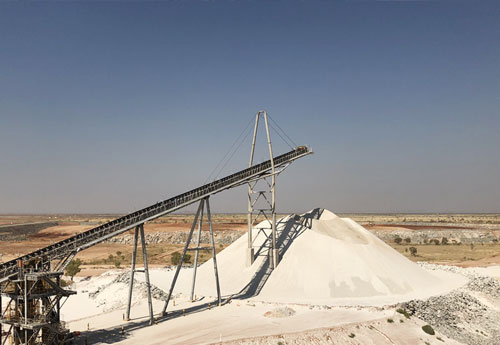
3 Ways to Design Lithium Slurry Piping Better
Designing new slurry piping in your lithium plant? We’ve compiled our top three tips from years of experience working on mine sites with tough lithium slurry.
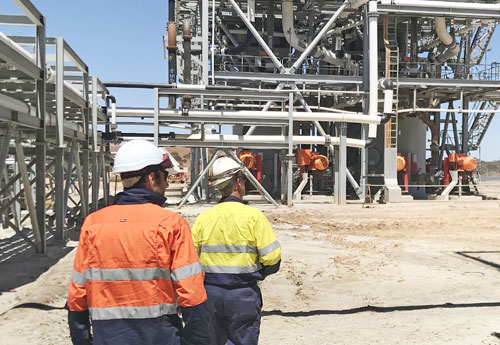
Lessons Learned from 5 Lithium Plant Redesigns
Lithium slurry is tough stuff to deal with. Here are five stories from other lithium plants where they’ve redesigned their slurry piping systems to handle the severe conditions.
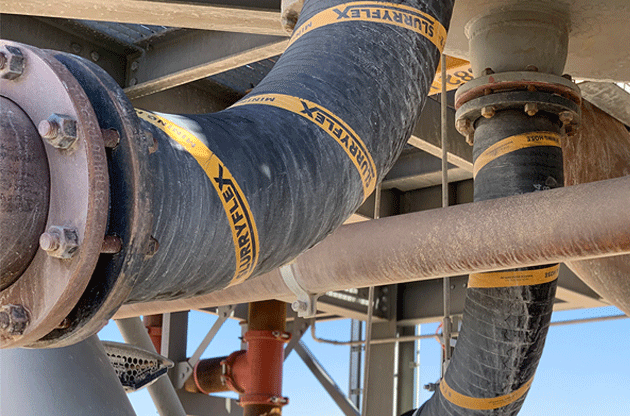
3 Advantages of Using Mining Hose on Bends
Ever received a lined pipe elbow on site, only to find that it doesn’t fit? It happens often—and it’s frustrating. This article discusses 3 reasons why mining hose is better on bends.
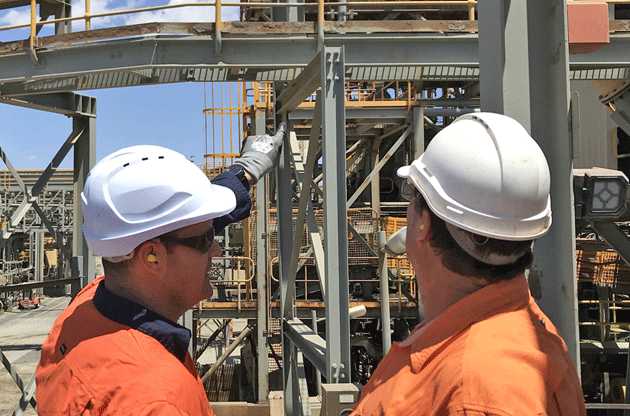
How to Bore Match Your Plant to Increase Throughput
If you’ve been putting bore matching in the too hard basket, it’s now time for a rethink. This article steps you through everything you need to optimise your system.
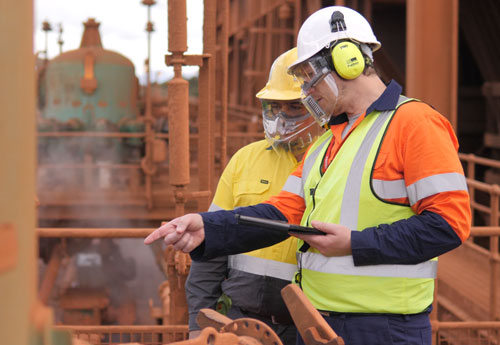
Muff Coupling vs Integral Flanged Mining Hose: Which Is Best?
We’ve put together this summary of the pros and cons of the two hose connections. Discover which is the better choice for your process plant.
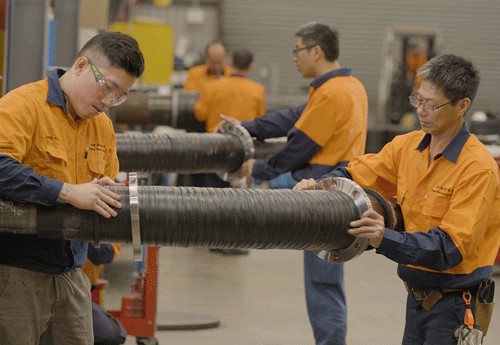
Mining Hose: An Inside Look Into How It’s Made
Did you know that mining hose rubber turns into a semi-liquid when it's heat cured? Here we unpack the different layers of a mining hose, and how it's built.
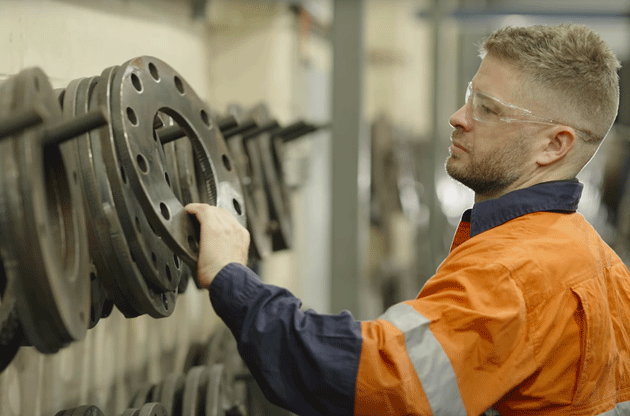
Pros & Cons of Different Slurry Piping End Connections
There’s so much to know when it comes to end connections. So, we’ve put together this handy reference covering the most common types for mining hose and lined pipe.
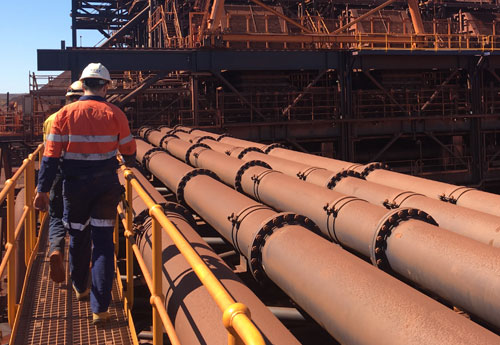
4 Types of Slurry Wear: Which One is Wearing Down Your Pipes?
The key to fixing recurring leaks in slurry piping is understanding the different types of wear. In this article, we cover common wear types in detail.
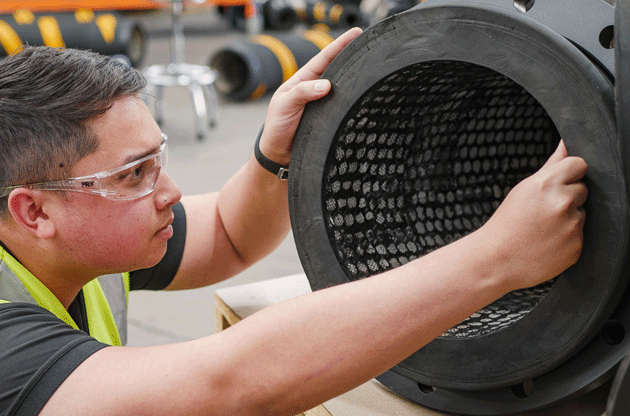
The Best Places to Use Ceramic Lined Mining Hose in Your Plant
If you’re spending too much time bandaging leaky spools on slurry lines, there’s good news—there are better options out there. Find out the 3 times when you need ceramic-lined hose.
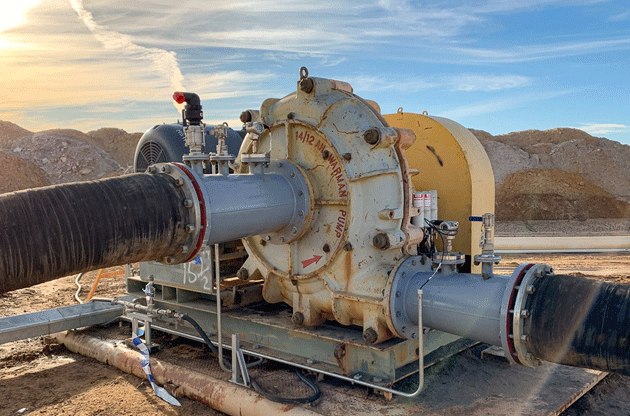
5 Lessons Learned in Slurry Pump Piping Design
Leaks, noise, vibration, and pipe misalignment are just some of the problems you'll face in your plant if you get your pump piping wrong. Find out our 5 lessons learned.
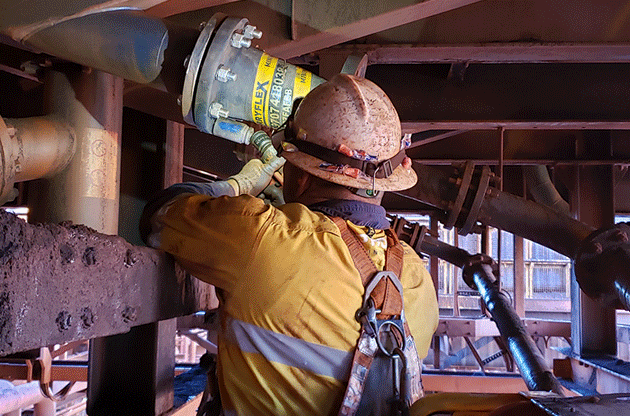
Know Your Options: A Comparison of Lined Slurry Piping
Choosing the right lined piping system for your plant is important, and there are so many options. So, we’ve compared the most common types of pipe used in process plants.
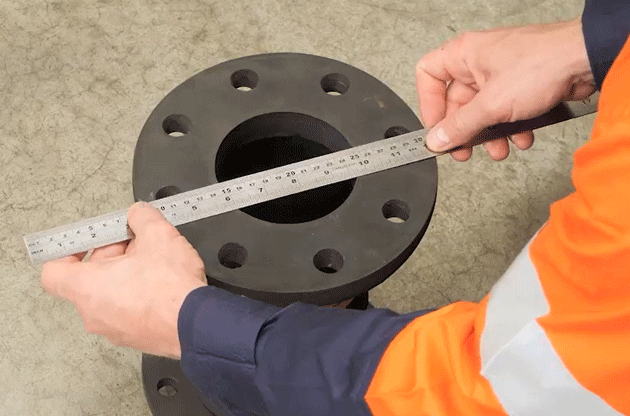
Video Guide: How to Measure a Pipe Flange
Getting the measurements for your hose or pipe flange might not always be simple. Check out this video where we show you the best way to get it done.
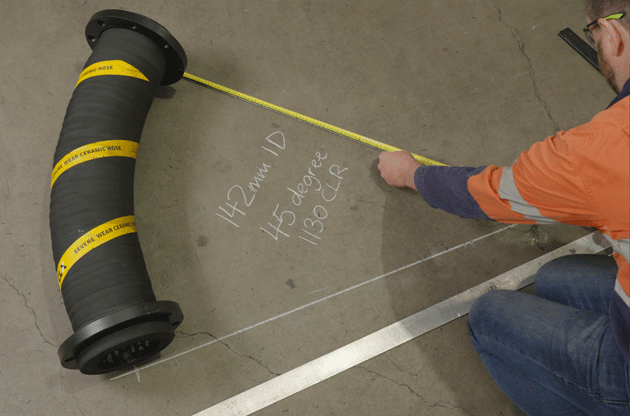
Video Guide: How to Measure a Hose Bend
In this video, we show you the best way to measure the internal diameter, bend angle, centre line radius, and centre to end lines, so you can get the right spool ordered every time.
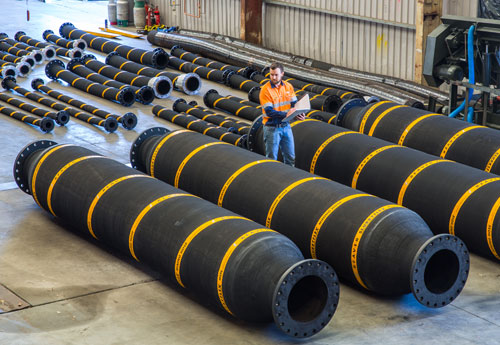
A Guide to the 9 Types of Mining Hose
Selecting the right mining hose for the job can be confusing. Discover the nine most common types of mining hose and their different applications on site.
Want to find out more?
Tap into our experience and get specialist advice from our friendly team.

Case studies
We've helped deliver projects all over the world. Here are some examples of how we helped our clients do it.